Pakistan's Military Triad Signals Regional Destabilization
Strategic Intelligence Desk: Curated and verified by Senior Analyst Amarjeet Singh. Directed toward defense sovereignty, Indo-Pacific deterrence, and critical emerging technologies.
Key Takeaways
- Pakistan's military triad deployment creates multi-domain pressure on India's western frontier
- Chinese defense exports to Pakistan intensify regional power dynamics
- Sir Creek's strategic location makes Project Ababeel a force multiplier for Pakistan
- India must reassess its maritime defense posture to counter submarine threats
Strategic Overview
Pakistan's simultaneous military advancements across three domains represent a sophisticated strategic calculus. The positioning of 250 Chinese SH-15 howitzers facing India establishes overwhelming artillery superiority along the western border. I assess this as Pakistan's attempt to offset India's conventional military advantages through asymmetric force deployment. The geographic concentration of these systems from Sindh through the Arabian Sea creates a contiguous zone of military pressure.
Expert Commentary
Pakistan's military modernization reflects deep strategic alignment with Chinese defense capabilities. The Hangor-class submarine deployment demonstrates Pakistan's commitment to maritime domain awareness in the Arabian Sea. I project this submarine deployment specifically targets India's naval assets and commercial shipping lanes. The integration of Chinese artillery systems with Pakistan's existing arsenal creates interoperability challenges for Indian defense planners. Project Ababeel's location at Sir Creek provides Pakistan with strategic depth for coastal defense operations.
Strategic Forecasting
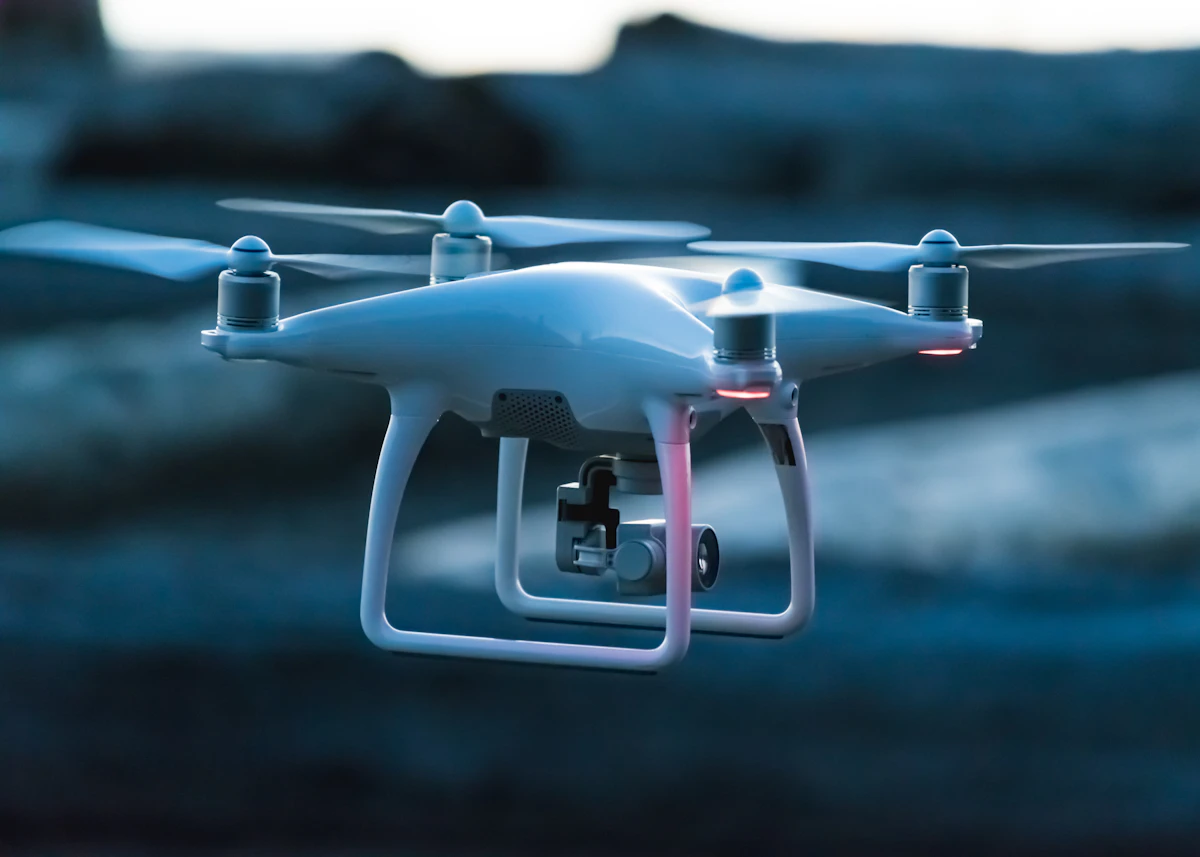
I project Pakistan's military triad will force India to reconsider its defense allocation priorities along the western frontier. The combined artillery, submarine, and drone capabilities create a layered defense system that complicates Indian offensive planning. This military buildup signals Pakistan's intent to establish credible deterrence through multi-domain operations. I anticipate India will accelerate indigenous defense production to counter Pakistan's Chinese-supplied systems. The regional arms race will intensify as both nations seek technological superiority in conventional warfare capabilities.
Market Implications
Pakistan's military procurement drives create significant market opportunities for Chinese defense manufacturers. The successful deployment of SH-15 howitzers validates China's artillery systems in contested environments. I forecast continued Chinese defense exports to Pakistan as geopolitical tensions with India persist. The submarine program demonstrates Pakistan's willingness to invest in high-value naval assets despite economic constraints. Market analysts should monitor Pakistan's defense spending patterns for emerging technology adoption trends.
Key Questions & Strategic Context
How does Pakistan's military triad impact India's defense strategy?
It forces India to develop multi-domain response capabilities and reconsider force deployment along the western border.
What is the strategic significance of Project Ababeel at Sir Creek?
It enhances Pakistan's coastal defense capabilities and provides strategic depth for naval operations in the Arabian Sea.
How does China benefit from Pakistan's military buildup?
China gains strategic influence in South Asia, tests its weapons systems in real-world conditions, and creates a regional counterweight to India.
What are the regional security implications?
The military buildup increases the risk of conventional conflict escalation and destabilizes the strategic balance in South Asia.
How might this affect India's maritime security?
Pakistan's submarine deployment threatens India's naval supremacy and commercial shipping in the Arabian Sea.
What is the timeline for Pakistan's military modernization?
The synchronized deployment suggests Pakistan has completed extensive testing and integration of these systems.
How does this affect India's Atmanirbhar Bharat defense initiatives?
It accelerates India's indigenous defense production timeline to reduce dependency on foreign suppliers.
What is the role of technology in Pakistan's military strategy?
Pakistan leverages Chinese technology to compensate for its conventional military limitations and create asymmetric advantages.
How does this impact regional alliances?
It strengthens China-Pakistan strategic cooperation while potentially deepening India's engagement with Western powers.
What are the economic implications for the region?
Increased defense spending diverts resources from development but stimulates defense-related economic activity.
Recommended Strategic Briefs
The Crucible of the Gulf: Petersen's Combat Return Reshapes Naval Doctrine
Pentagon's Drone Chief Warns: Funding Lapse Threatens Autonomous Warfare Momentum
Pacific Watch: Textron Drones Bolster 7th Fleet's ISR Edge Against Beijing
Amarjeet Singh
Senior Analyst & Publisher
Amarjeet brings extensive expertise in geopolitical strategy, advanced defense technologies, and predictive OSINT modeling, backed by distinguished credentials from the Ministry of Power and the Ministry of New and Renewable Energy. He directs Neodymium's intelligence operations, ensuring the integrity and strategic depth of all published briefings.