The Strategic Imperative: Atmanirbhar Bharat and India's Path to Technological Self-Reliance
Strategic Intelligence Desk: Curated and verified by Senior Analyst Amarjeet Singh. Directed toward defense sovereignty, Indo-Pacific deterrence, and critical emerging technologies.
Key Takeaways
- Atmanirbhar Bharat is a strategic response to geopolitical vulnerabilities, not just an economic policy.
- Defense technology self-reliance is the cornerstone of India's quest for strategic autonomy.
- This initiative will foster a domestic industrial ecosystem but faces significant technological and financial hurdles.
- The geopolitical implications include a recalibration of India's relationships with traditional arms suppliers.
Strategic Context of Atmanirbhar Bharat
I project that India's Atmanirbhar Bharat policy is a direct response to the geopolitical volatility exposed by events like the Russia-Ukraine conflict. The reliance on foreign defense systems creates strategic vulnerabilities that India can no longer afford. This policy is a calculated move to secure national interests by building indigenous capabilities.
Geopolitical Implications
The drive for self-reliance will inevitably strain relationships with traditional suppliers like Russia and the US. However, it also opens new strategic partnerships with nations like Israel, France, and domestic players. This pivot redefines India's position in the global power balance, moving it from a buyer to a potential developer.
Expert Commentary
My analysis indicates that the success of this initiative hinges on overcoming the 'innovation gap'. While India has a strong engineering talent pool, it lacks the deep R&D culture of leading defense powers. Bridging this gap requires sustained political will and massive private sector investment. The government's role must shift from being a sole customer to a strategic facilitator.
Strategic Forecasting
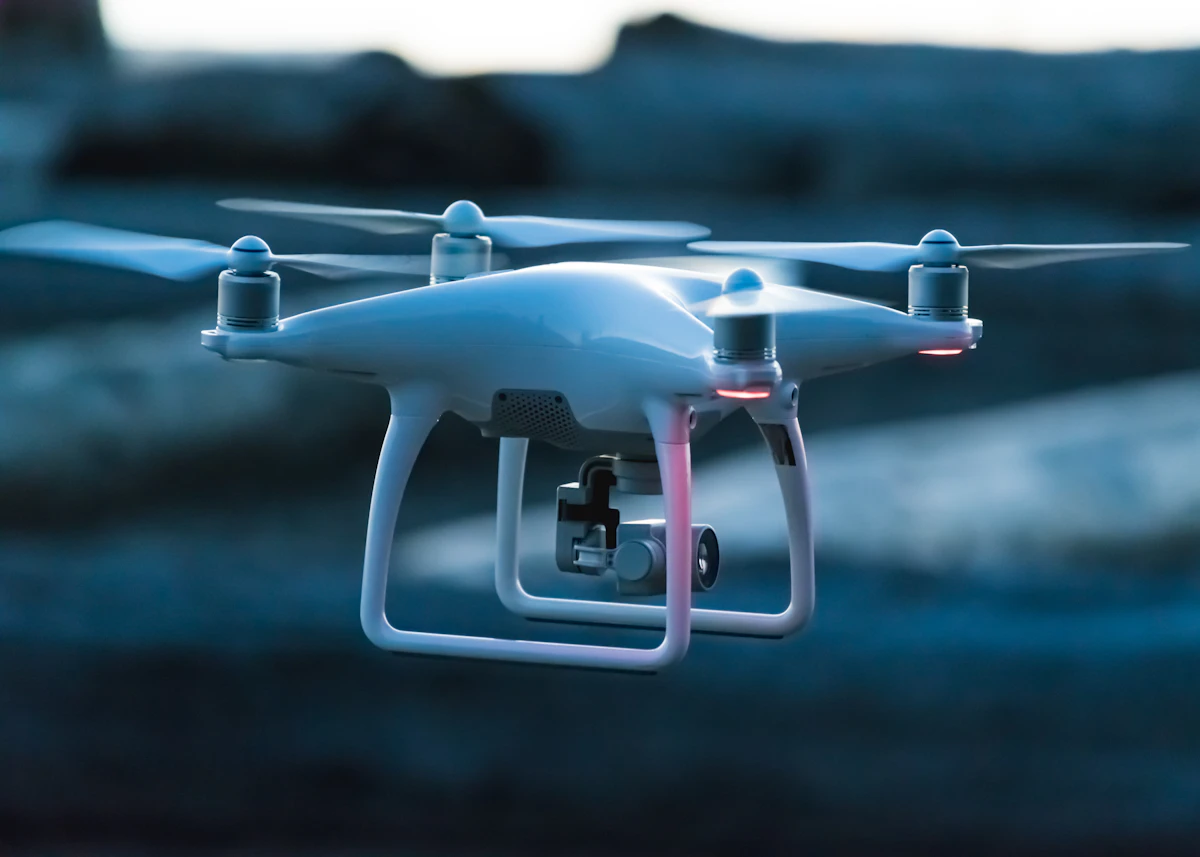
I forecast that the next decade will see India emerge as a significant player in niche defense technologies like UAVs, cyber warfare, and electronic warfare. The focus will be on creating a synergistic ecosystem where DRDO, DPSUs, and private startups collaborate. This evolution will fundamentally alter the security calculus in South Asia, compelling regional actors to recalibrate their own strategies.
Market Analysis
The domestic defense market is poised for exponential growth, projected to reach over $25 billion by 2030. This presents a massive opportunity for Indian conglomerates and startups alike. The key market drivers are the government's 'Make in India' procurement policies and the urgent need to modernize aging military hardware. Investors should focus on companies with strong IP and a clear path to defense certification.
Key Questions & Strategic Context
Why is Atmanirbhar Bharat critical for India's defense posture?
It mitigates strategic risks from supply chain disruptions and sanctions, ensuring operational readiness and national security.
What are the biggest challenges to achieving defense self-reliance?
The primary challenges are bridging the R&D innovation gap, securing long-term funding, and fostering a collaborative ecosystem between government and private industry.
How will this impact India's relationship with the US and Russia?
It will compel a strategic recalibration, reducing dependency while maintaining pragmatic ties, ultimately giving India greater leverage in its foreign policy.
What is the most promising area for immediate indigenous development?
Unmanned systems and electronic warfare offer the fastest path to self-reliance due to India's existing strengths in IT and software.
How does this align with India's broader geopolitical goals?
It directly supports India's ambition to be a leading power (Vishwa Guru) by demonstrating strategic autonomy and technological prowess.
What is the timeline for achieving meaningful self-reliance?
While incremental progress is visible, achieving true technological parity with global leaders will likely take 15-20 years of sustained effort.
What role do private startups play in this vision?
They are the primary engine of innovation, bringing agility and cutting-edge solutions that traditional defense entities often lack.
How will this affect the regional balance of power?
It will significantly enhance India's conventional military capabilities, altering the strategic equilibrium with Pakistan and China.
What is the economic impact beyond defense?
The technology, materials science, and manufacturing advancements will have spillover effects across the civilian economy, driving overall growth.
Is the current political will sufficient to see this through?
The current momentum is strong, but it must be sustained across electoral cycles to overcome the long gestation periods of defense projects.
Recommended Strategic Briefs
China's Robot Supremacy Threatens India's Defense Autonomy
AI Accelerators: Google's 2026 Play India Playbook for Strategic Tech Dominance
QRSAM-ER: India's Strategic Leap in Tactical Air Defense Capabilities
Amarjeet Singh
Senior Analyst & Publisher
Amarjeet brings extensive expertise in geopolitical strategy, advanced defense technologies, and predictive OSINT modeling, backed by distinguished credentials from the Ministry of Power and the Ministry of New and Renewable Energy. He directs Neodymium's intelligence operations, ensuring the integrity and strategic depth of all published briefings.