Xi Jinping’s Delhi Arrival For BRICS Summit Marks Pivotal India-China Engagement
Strategic Intelligence Desk: Curated and verified by Senior Analyst Amarjeet Singh. Directed toward defense sovereignty, Indo-Pacific deterrence, and critical emerging technologies.
Key Takeaways
- Xi's BRICS visit highlights the complex, often tense, nature of India-China relations despite multilateral engagement.
- India's accelerated defense modernization and border infrastructure development are critical for LAC deterrence.
- Atmanirbhar Bharat is a strategic imperative, reducing defense dependencies and enhancing India's autonomy.
- The Indo-Pacific framework and Quad engagement are central to India's strategy to balance China's regional influence.
The High Stakes of a Delhi Handshake
Chinese President Xi Jinping’s arrival in New Delhi for the 18th BRICS Summit, culminating in a highly anticipated bilateral meeting with Prime Minister Narendra Modi, marks a diplomatic moment fraught with profound strategic implications. While the optics suggest a convergence of emerging economies, the underlying reality is a careful dance between two nuclear-armed Asian giants locked in an enduring and complex geopolitical rivalry. This engagement, however brief, serves as a critical barometer for the state of India-China relations, particularly against the backdrop of persistent border standoffs and India’s accelerated drive towards strategic autonomy.
The very act of Xi stepping onto Indian soil, even for a multilateral forum, forces a reassessment of the glacial pace of de-escalation along the Line of Actual Control (LAC). For New Delhi, this summit is not merely about BRICS solidarity; it is an opportunity, however constrained, to underscore its unwavering resolve on territorial integrity while subtly projecting its growing strategic capabilities. The world watches, keen to discern any subtle shifts in the power dynamic between two nations whose trajectories will undeniably shape the Indo-Pacific century.
Shadows Over the Himalayas: Deterrence and the LAC
The specter of the Galwan Valley clash in 2020 continues to cast a long shadow over any India-China dialogue. India’s subsequent strategic response has been multifaceted, prioritizing robust border infrastructure development and a significant forward deployment of forces. The Border Roads Organisation (BRO) has dramatically accelerated projects, constructing over 6,800 km of roads and 290 bridges in critical sectors since 2014, enhancing rapid mobilization capabilities for formations like the Leh-based XIV Corps and the Tezpur-based IV Corps. This infrastructure push, coupled with the deployment of advanced surveillance assets, including UAVs and upgraded ground sensors, aims to deny China any future fait accompli along the disputed frontier.
Beyond physical infrastructure, India’s deterrence posture has matured. The induction of Rafale multi-role fighters, integrated with advanced air-to-air and air-to-ground munitions, provides a significant qualitative edge in high-altitude operations. Furthermore, the Indian Army’s enhanced artillery capabilities, including indigenously developed Dhanush and K9 Vajra-T howitzers, backed by tactical ballistic missiles like the Prahaar with a 150 km range, are designed to impose prohibitive costs on any aggressive maneuvers. This layered deterrence, from conventional ground forces to air power and nascent missile capabilities, aims to ensure that the LAC remains a zone of robust, if uneasy, standoff rather than active conflict.
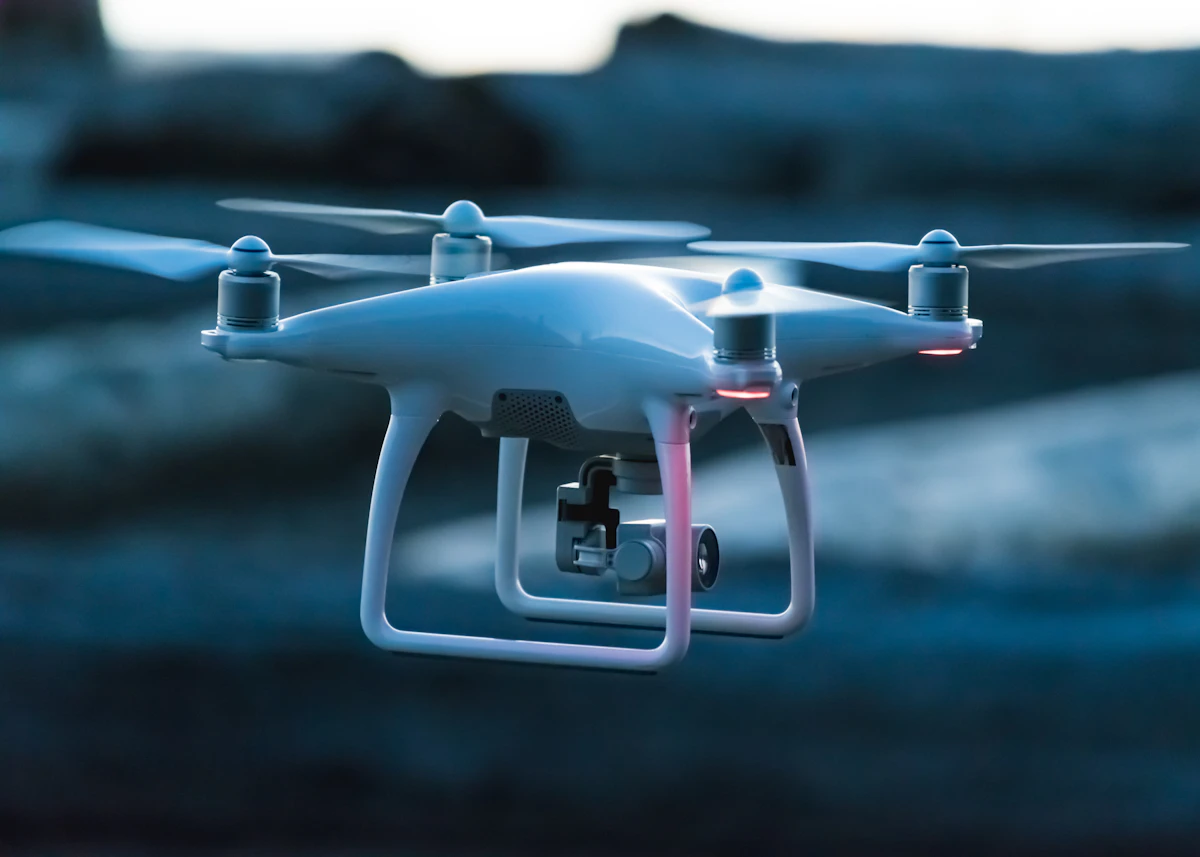
Atmanirbhar Bharat: A Strategic Imperative, Not Just an Slogan
The push for 'Atmanirbhar Bharat' (Self-Reliant India) in defense has transitioned from a national aspiration to an urgent strategic imperative, directly influenced by the vulnerabilities exposed by external dependencies, particularly in the context of China. The government has systematically restricted the import of over 400 defense items across multiple positive indigenisation lists, stimulating domestic manufacturing. This includes major platforms like the LCA Tejas Mk1A, the light combat helicopter (LCH) Prachand, and advanced artillery systems, with contracts exceeding $25 billion awarded to Indian firms over the last three years alone.
This indigenisation drive is not merely about economic self-sufficiency; it is fundamentally about enhancing India’s strategic autonomy and reducing reliance on foreign suppliers who may be susceptible to geopolitical pressures. The development of indigenous missile systems, advanced radar technologies, and even critical components for naval vessels underscores a long-term vision to build a comprehensive defense industrial base. While challenges remain in scaling production and mastering cutting-edge technologies like advanced semiconductors and AI, the trajectory is clear: India seeks to control its own defense destiny, a crucial factor in its long-term competition with China.
"The bilateral meeting between Modi and Xi, however constrained by protocol and historical baggage, offers a fleeting glimpse into the strategic calculus of two nuclear powers. It is a dialogue not of rapprochement, but of managing a deeply entrenched rivalry, where every diplomatic gesture is weighed against the unforgiving realities of border vigilance and geopolitical competition."
Navigating the Indo-Pacific Chessboard
Beyond the immediate border, the India-China rivalry plays out across the vast expanse of the Indo-Pacific. India’s deepening engagement with the Quad (Quadrilateral Security Dialogue) — comprising the US, Japan, and Australia — is a direct response to China’s expanding maritime influence and assertive posture in the South China Sea and Indian Ocean Region. Joint naval exercises, intelligence sharing, and discussions on supply chain resilience within the Quad framework are clear signals of India’s intent to balance Beijing’s growing power projection.
Furthermore, India’s strategic outreach to Southeast Asian nations, including defense exports and capacity building initiatives, aims to bolster regional security architectures that do not solely revolve around Beijing. The strategic port development in Chabahar, Iran, and the growing naval presence in the Andaman and Nicobar Islands, represent critical nodes in India’s broader strategy to secure its maritime interests and project power into the western Indian Ocean, countering China’s 'String of Pearls' strategy.
The Path Ahead: Cautious Engagement Amidst Enduring Rivalry
The Modi-Xi bilateral meeting, while significant, is unlikely to yield any immediate breakthroughs on contentious issues like the LAC standoff. Instead, it serves as a platform for high-level communication, preventing miscalculation and maintaining a fragile equilibrium. Both nations understand the immense economic and geopolitical costs of outright conflict, yet neither is willing to compromise on core national interests. For India, the message remains consistent: normalization of relations is contingent upon peace and tranquility along the border, a principle articulated clearly by External Affairs Minister S. Jaishankar.
As India continues its strategic modernization and strengthens its alliances, the dynamic with China will remain a defining feature of its foreign policy and defense planning. The BRICS summit provides a temporary shared stage, but the long game is one of strategic competition, where India's self-reliance, robust deterrence, and agile diplomacy will be continually tested. The handshake in Delhi is a moment of necessary engagement, but it does not erase the deep strategic fissures that define the relationship.
Recommended Strategic Briefs
India's Strategic Imperative: Forging Autonomy in a Contested Continent
Xi-Modi Summit Hinted: A Diplomatic Lifeline Amidst Strategic Rivalry
India Unlocks $13 Billion for Multi-Domain Defense Overhaul, Bolstering Atmanirbhar Vision
Amarjeet Singh
Senior Analyst & Publisher
Amarjeet brings extensive expertise in geopolitical strategy, advanced defense technologies, and predictive OSINT modeling, backed by distinguished credentials from the Ministry of Power and the Ministry of New and Renewable Energy. He directs Neodymium's intelligence operations, ensuring the integrity and strategic depth of all published briefings.